Best Weight Loss Plans UK 2026: Which Diets Actually Work?
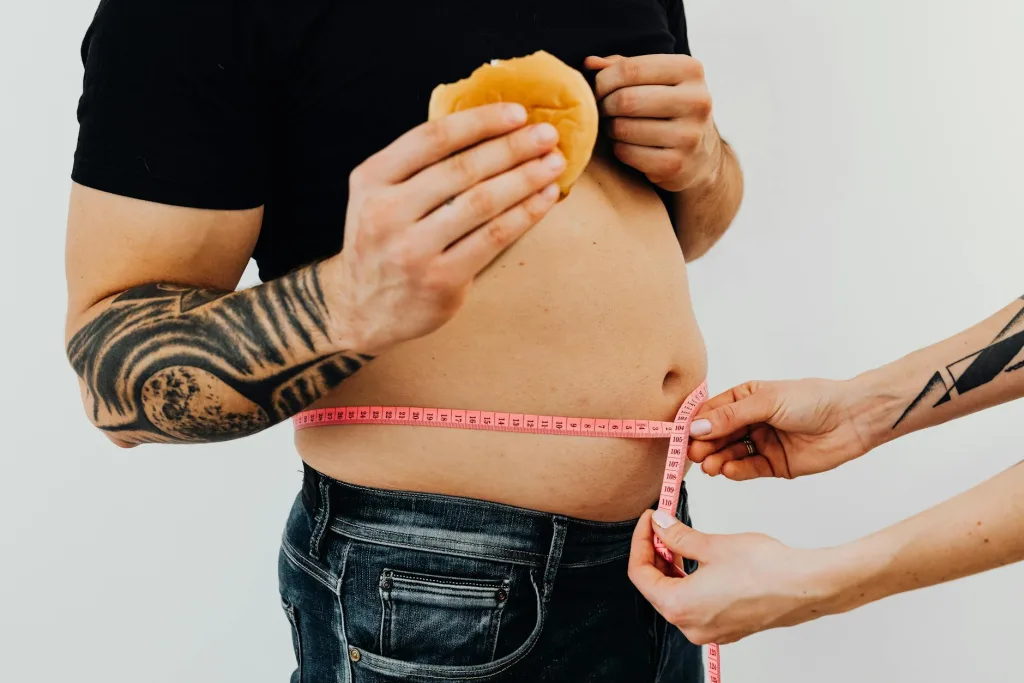
Struggling to shift those extra pounds in 2026? With two-thirds of adults in England overweight and 26.5% obese, you're not alone in the battle against the bulge.Discover the best weight loss plans UK...
The Lifetimes UK editorial team curates, fact-checks, and updates guides on personal finance, property, health, immigration, legal, business, and lifestyle topics relevant to Lifetimes UK readers. Articles are produced with AI assistance and reviewed by the editorial team before publication.
Struggling to shift those extra pounds in 2026? With two-thirds of adults in England overweight and 26.5% obese, you're not alone in the battle against the bulge.Discover the best weight loss plans UK 2026 that actually work, backed by science and tailored for busy British lives.
From NHS-endorsed habits to trending diets like Mediterranean and plant-focused eating, we'll cut through the hype. Forget fads that leave you hangry—focus on sustainable plans that fit around your weekly shop at Tesco or Sainsbury's, family dinners, and the odd pub pint. Let's explore what nutritionists predict will dominate 2026 and which ones deliver real results.
Why 2026 Is the Year for Smarter Weight Loss in the UK
Health trends are shifting as we tackle rising costs and ultra-processed foods (UPFs). A whopping 71% of diet-conscious Brits say healthy eating costs too much, with nutritious evening meals averaging £3.65—13% pricier than standard ones. But 26% plan to ditch UPFs this year, while 23% aim to cut sugar, fat, and salt.
New October 2025 UK rules on high-fat, salt, and sugar (HFSS) foods make it easier to spot healthier options in supermarkets. Meanwhile, GLP-1 drugs like semaglutide are booming—4.1% of GB households used them in 2025, driving demand for protein-packed smaller portions like lean red meat, yoghurt, and eggs. Nutritionists urge nutrient-rich choices to avoid deficiencies.
The NHS recommends a 600-calorie daily deficit for safe loss of 0.5–1kg weekly, combined with 150 minutes of moderate activity. No quick fixes here—just evidence-based plans that work long-term.
Top Weight Loss Diets That Actually Work in 2026
Dietitians rank these as the best weight loss plans UK 2026, based on research for sustainability and results. We've UK-ified them with local tips.
Mediterranean Diet: The Gold Standard
Topping lists for weight loss and longevity, the Mediterranean diet emphasises veggies, fruits, whole grains, fish, olive oil, and nuts. Studies link it to lower type 2 diabetes risk, reduced stress, and better blood pressure.
- UK twist: Swap Greek olives for British-grown tomatoes and seasonal brassicas from your local farm shop. Aim for two portions of sustainably sourced fish weekly, like mackerel from Cornwall.
- Weekly loss: 0.5–1kg with calorie control.
- Pros: Heart-healthy, pub-friendly (pair with low-alc pints).
- Actionable tip: Start with NHS Easy Meals—search 'Mediterranean' on nhs.uk for recipes using tinned sardines.
DASH and MIND Diets: Blood Pressure Busters
DASH (Dietary Approaches to Stop Hypertension) prioritises fruits, veg, lean proteins, and low-fat dairy to slash sodium. MIND combines it with Mediterranean for brain health. Both promote steady weight loss via nutrient density.
- UK adaptation: Use reduced-salt stock cubes from supermarkets and oats from Scottish farms.
- Evidence: Effective for hypertension, common in overweight Brits.
- Tip: Track sodium with the NHS Food Scanner app.
Atlantic Diet: Fresh from Our Shores
A Mediterranean cousin from Portugal and Spain, it focuses on seafood, potatoes, and greens. Research shows superior weight loss to standard diets.
- British angle: Cod from the North Sea, Jersey Royals, and foraged greens.
- Why it works: High volume, low calories—fill up without the scales creeping up.
Intermittent Fasting: Timing Over Restriction
Eat within windows like 16:8 (fast 16 hours, eat in 8). A 2025 study showed 6.4 pounds more loss than calorie counting over 12 months. It's flexible for shift workers or parents.
- UK caution: Consult your GP, especially on meds. Pairs well with GLP-1 drugs.
- Sample: Breakfast at 10am (porridge), skip late snacks. Black coffee or tea during fasts.
- Tip: Use the NHS Couch to 5K app for fasting-friendly exercise.
Volumetrics Diet: Eat More, Weigh Less
Fill plates with low-calorie-density foods. Category 1 (unlimited): non-starchy veg, fruits. Category 4 (minimise): crisps, nuts.
- Practical for Brits: Unlimited carrots, soups from Heinz low-cal range, moderate baked beans.
- Result: Natural calorie deficit without hunger.
Plant-Based and Vegan Plans: Fibre Power
Vegan diets aid weight loss via lower calories and high fibre, but watch ultra-processed vegan junk. 2026 trends spotlight beans—every 50g daily cuts mortality risk by 6%. UK bean intake is dire: two-thirds eat less than one portion weekly, linked to 9,000 premature deaths yearly.
- Campaign boost: Join 'Bang In Some Beans' to double consumption by 2028, backed by supermarkets.
- Tip: Chickpeas in curries, lentils in shepherd's pie. British-grown pulses from Waitrose.
2026 UK Trends Shaping Successful Weight Loss
Ditch Ultra-Processed Foods (UPFs)
19 million adults cut UPFs in 2025; 2026 brings simpler ingredients and whole foods. Spot them: long labels, check HFSS logos.
Fibre Over Protein Hype
Protein's rebranded to whole sources like eggs and dairy. Fibre's star—13% plan boosts.
Small Habits Beat Extreme Diets
Science backs micro-changes: swap one UPF meal daily for lasting loss.
| Diet | Weekly Loss Potential | Best For | UK Cost Estimate |
|---|---|---|---|
| Mediterranean | 0.5–1kg | Long-term health | £25–30/week |
| Intermittent Fasting | 0.5–1.5kg | Busy schedules | Flexible |
| Volumetrics | 0.5kg | Volume eaters | £20–25/week |
| Plant-Based | 0.5–1kg | Fibre lovers | £20/week |
Practical Tips for Weight Loss Success in the UK
- Shop smart: Aldi/Lidl for affordable veg; check Eatwell Guide on nhs.uk.
- Track progress: Free NHS Weight Loss Plan app.
- Exercise: 49% plan more movement—try Parkrun.
- GLP-1 users: Prioritise protein (lean meats, eggs) for muscle.
- Alcohol: Opt for no-lo beers like Lucky Saint in pubs.
Your Next Steps to a Lighter 2026
Pick one plan—like Mediterranean for versatility or Volumetrics for fullness—and start small: swap one meal today. Download the NHS Weight Loss Plan, join a local slimming group via GP referral (free on NHS), and track with MyFitnessPal. Consistency beats perfection—aim for 5% body weight loss first for health wins. You've got this; here's to a healthier you by summer!
Frequently Asked Questions
Sources & References
-
1
2026 Consumer Health Predictions — AHDB — ahdb.org.uk
-
2
Nutritionists Predict 2026's Biggest Healthy Eating Trends — BBC Good Food — www.bbcgoodfood.com
-
3
Key Nutrition and Diet Trends for 2026 — Living360 — living360.uk
-
4
10 Best Diets for Weight Loss in 2026 — Prevention — www.prevention.com
-
5
Obesity, Healthy Weight Loss and Nutrition — British Nutrition Foundation — www.nutrition.org.uk
-
6
Healthy Eating Habits for Weight Loss in 2026 — CTCD — www.ctcd.edu
Disclaimer: This article was created with the assistance of AI technology and has been reviewed by our editorial team. It is for informational purposes only and does not constitute legal, tax, or financial advice.