UK Visa Types Explained: Which One Do You Need in 2026?
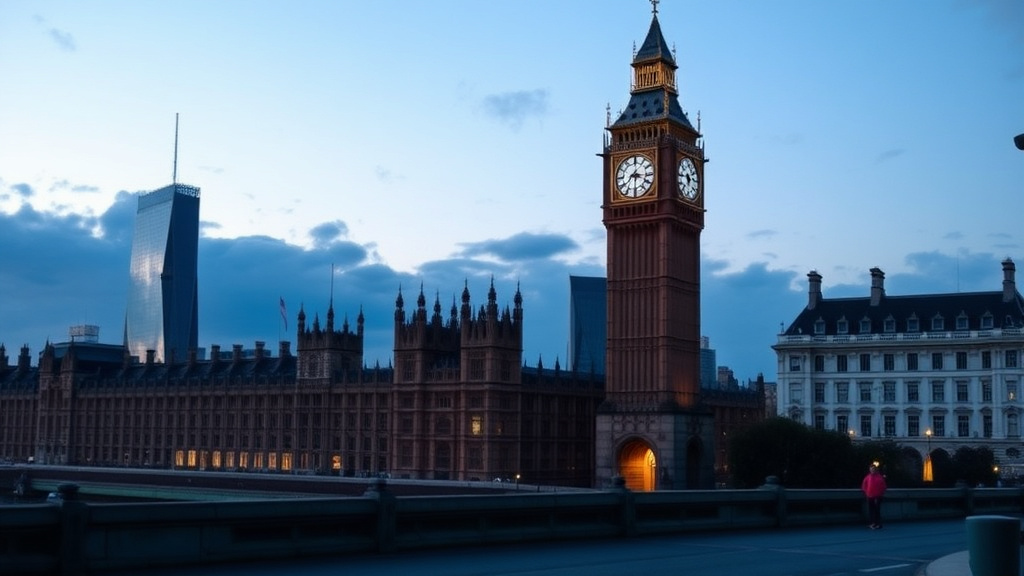
Navigating UK visas can feel like a maze, especially with the latest 2026 updates tightening rules on salaries, English proficiency, and settlement paths. Whether you're a British employer sponsoring...
The Lifetimes UK editorial team curates, fact-checks, and updates guides on personal finance, property, health, immigration, legal, business, and lifestyle topics relevant to Lifetimes UK readers. Articles are produced with AI assistance and reviewed by the editorial team before publication.
Navigating UK visas can feel like a maze, especially with the latest 2026 updates tightening rules on salaries, English proficiency, and settlement paths. Whether you're a British employer sponsoring talent, a family member welcoming relatives, or simply curious about who can join us here, this guide breaks down all the main UK visa types and helps you pinpoint the right one for 2026.
Understanding the UK Visa System in 2026
The UK Home Office oversees a points-based immigration system designed to attract skilled workers, protect our borders, and support the economy. In 2026, key changes include a Skilled Worker salary threshold rising to £41,700, English language requirements jumping to B2 level for many routes, and a shift towards eVisas for most new applicants from 25 February. These reforms aim to reduce net migration while prioritising high contributors, with potential extensions to settlement periods up to 10 years based on employment and tax records.
As Brits, we often interact with visas when hiring overseas staff, sponsoring family, or hosting visitors. Always check gov.uk/visas-immigration for the latest, as rules evolve quickly.
Main Categories of UK Visas
UK visas fall into broad groups: visitor, work, study, family, and settlement routes. Each has sub-types with specific eligibility.
Visitor Visas: Short Stays for Tourism, Business, or Family
Standard Visitor visas let non-visa nationals stay up to 6 months for tourism, business meetings, short study (up to 6 months), medical treatment, or visiting family. Permitted activities include volunteering up to 30 days with charities or transiting to another country. Marriage Visitor visas are for those planning to wed or enter a civil partnership here within 6 months, without settling intent.
- Who needs it? Tourists from visa-required countries (e.g., USA, India) or short-term business travellers.
- Key tip: Prove intent to leave the UK—show return tickets and ties like jobs or property back home.
- 2026 note: Most new visit visas issue as eVisas only.
Work Visas: Coming to Build Our Economy
Work visas dominate applications, targeting skilled professionals. Most require a sponsor licence from your employer and lead to settlement after 5 years (potentially longer in 2026).
Skilled Worker Visa
The go-to for sponsored jobs in eligible occupations. Valid up to 5 years, extendable, with dependants allowed. Requirements: job offer from Home Office-approved sponsor, Certificate of Sponsorship, minimum £41,700 salary (2026 threshold), RQF Level 6 skills (bachelor's equivalent), and B2 English. Care worker routes closed July 2025; 111 jobs now ineligible.
Health and Care Worker Visa
Tailored for NHS and social care roles—no Immigration Health Surcharge. Up to 5 years, leads to settlement.
Global Business Mobility Visas
For overseas firms expanding here: Senior/Specialist, Graduate Trainee, UK Expansion Worker, Secondment, or Service Supplier. Introduced 2022, these replace older intra-company routes.
Other Work Routes
- Scale-up Visa: Fast-growing UK firms; leads to Skilled Worker switch.
- Global Talent Visa: Leaders in arts, science, digital tech—no job offer needed, up to 5 years.
- High Potential Individual (HPI) Visa: Top global uni grads (last 5 years); 2-3 years work rights.
- Temporary Work Visas: Charity, Creative, Seasonal Workers, Youth Mobility (18-30/35 from select countries, £2,530 savings).
Practical advice for British employers: Get a sponsor licence via gov.uk—costs rose 32% in December 2025.
Study Visas: Learning and Graduate Opportunities
Student visas for courses at licensed sponsors. Post-study, switch to Graduate Visa: 2 years (PhD: 3), dropping to 18 months from January 2027. No extension, but job search allowed.
Family Visas: Joining Loved Ones
Spouse/Partner visas require £18,600+ income proof (higher with kids), B2 English (2026 update), and 5-year path to settlement. EU Settlement Scheme (EUSS) family permits for EEA relatives: up to 6 months work/study rights. Special routes like Ukraine Family Scheme or BNO for Hong Kongers.
Settlement and Other Visas
Indefinite Leave to Remain (ILR) after 5 years on most routes, but 2026 proposals may extend to 10 years based on contributions (employment, taxes, Life in the UK test). Others: UK Ancestry (Commonwealth with UK grandparent, 5 years), Windrush Scheme, Right of Abode.
Key Changes to UK Visas in 2026
Stay ahead with these updates:
| Change | Details | Impact |
|---|---|---|
| Salary Threshold | £41,700 for Skilled Worker | Higher bar for sponsorship |
| English Requirement | B1 to B2 (Skilled Worker, Scale-up) | Tougher tests from Jan 2026 |
| Graduate Visa | Cut to 18 months (2027) | Shorter post-study stay |
| eVisas | Mandatory for most new visas post-25 Feb | Digital only, no Biometric cards |
| Settlement | Potential 10-year route | Based on contributions |
How to Choose the Right Visa
- Assess purpose: Short stay? Visitor. Work? Check sponsor/job match.
- Check eligibility: Use gov.uk points calculator for work/study.
- Gather docs: Passport, finances, TB test (some countries), English proof.
- Apply online: From outside UK via gov.uk; expect 3-8 weeks.
- Costs: Application fees £500+, plus health surcharge (£1,000+/year).
Actionable tip: Use the Visa Finder tool on gov.uk to match your situation.
Next Steps: Make Your Visa Journey Smooth
Start on gov.uk/check-uk-visa today—applications take time, and 2026 rules demand preparation. If sponsoring, ensure your licence is active. For complex cases, consult an OISC-registered adviser. With the right visa, talented individuals can contribute to our communities and economy right here in the UK.
Frequently Asked Questions
Sources & References
-
1
Types of UK Visas in 2026 - Reiss Edwards Solicitors — reissedwards.co.uk
-
2
UK Visa Options & Requirements Guide — www.jobbatical.com
-
3
Visa types available to work in the UK — www.nhsemployers.org
-
4
UK Visa Guide: Requirements & Process 2025 — www.davidsonmorris.com
-
5
UK Skilled Worker Visa Changes and Immigration Rules for 2026 — www.centuroglobal.com
-
6
What Are the New UK Visa changes in 2026? - Y-Axis — www.y-axis.com
-
7
UK Visa English Language Rules 2026: B1 to B2 Explained — www.workpermitcloud.co.uk
-
8
Updates on the move to eVisas — www.gov.uk
Disclaimer: This article was created with the assistance of AI technology and has been reviewed by our editorial team. It is for informational purposes only and does not constitute legal, tax, or financial advice.