UK Food Bank Guide: Who Can Use Them and How to Access Help
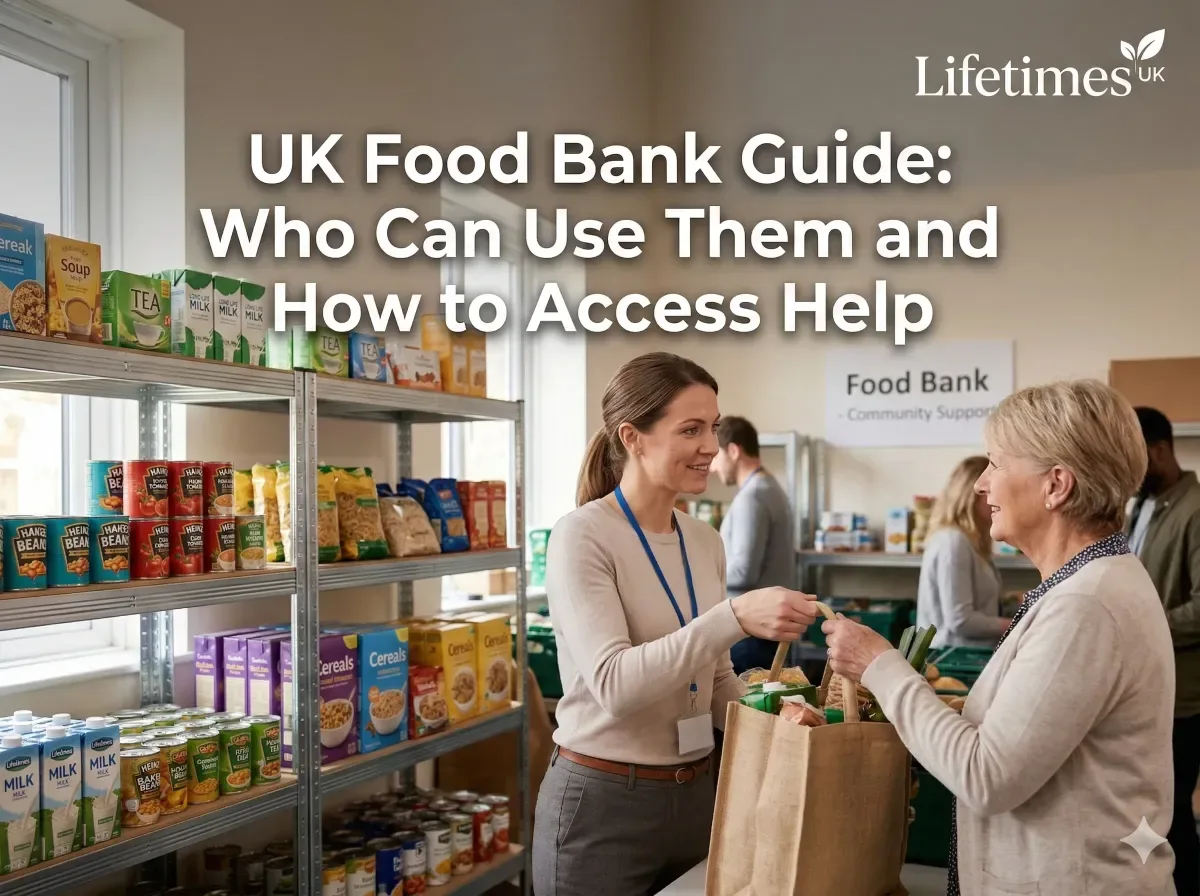
Struggling to put food on the table? You're not alone—over 2.5 million people in the UK turned to food banks in 2024, and with rising costs, that number keeps climbing.Food banks offer a vital lifelin...
The Lifetimes UK editorial team curates, fact-checks, and updates guides on personal finance, property, health, immigration, legal, business, and lifestyle topics relevant to Lifetimes UK readers. Articles are produced with AI assistance and reviewed by the editorial team before publication.
Struggling to put food on the table? You're not alone—over 2.5 million people in the UK turned to food banks in 2024, and with rising costs, that number keeps climbing.Food banks offer a vital lifeline, providing essential groceries at no cost to those in crisis.
This guide breaks down who can use UK food banks, how to get access, and what to expect in 2026. Whether you're facing benefit delays, low wages, or unexpected bills, we'll walk you through practical steps tailored for Brits, including referrals from Citizens Advice and Jobcentre Plus.
What Are UK Food Banks and Why Do They Matter?
Food banks are community-run services that give out emergency food parcels to people who can't afford groceries. They're not a long-term solution but a bridge during tough times, stocked by donations from supermarkets, businesses, and locals. Major networks like the Trussell Trust operate thousands across the UK, with many independents too.Parcels typically last three days and include staples for nutritious meals.
In 2026, demand remains high amid economic pressures. Even working professionals—nurses, teachers, and low-wage earners—use them. No one is turned away based on background, nationality, or beliefs; immigration status rarely matters.
Types of Food Banks in the UK
- Voucher-based (e.g., Trussell Trust): Need a referral voucher from a professional.
- Open access: No referral needed—walk in or visit community fridges and soup kitchens like FoodCycle or Hubbub Network.
- Specialist pantries: Low-cost or frequency-limited, often for ongoing support.
Who Can Use UK Food Banks? Eligibility Explained
Anyone in genuine need can use a food bank—there's no strict universal rule. You don't need to be unemployed or on benefits. Common situations include:
- Benefit delays or sanctions from Universal Credit or Jobseeker's Allowance.
- Low income from part-time or zero-hour contracts.
- Unexpected costs like boiler repairs or medical bills.
- Families with children eligible for free school meals (FSM), though Holiday Activities and Food (HAF) programmes have specific rules for 2026-2027.
- Disabled people or carers facing extra expenses.
Some food banks ask for proof like ID, a benefits letter, or household details to speed things up, but many help without it, especially in crises. Funds like the King Charles III Charitable Fund support nonprofit food projects, but that's for organisations, not individuals.
2026 Updates on Related Support
From September 2026, free school meal eligibility expands to all Universal Credit households, but HAF holiday clubs stick to existing FSM thresholds until later terms. This doesn't directly affect food banks but highlights government efforts to ease family pressures. Check gov.uk for Universal Credit advances if delays hit.
How to Access a Food Bank: Step-by-Step Guide
Getting help is straightforward. Most voucher-based food banks require a referral, but open-access options are quicker. Here's how:
Step 1: Check Your Eligibility Quickly
Use online tools like the Food Bank Voucher Eligibility Checker. Answer simple questions about income, bills, and situation to see if you qualify.
Step 2: Get a Referral Voucher
Contact a referral agency—they'll assess you and issue a voucher if eligible. Top options:
- Citizens Advice: Call 0800 144 8848 (or 0800 144 8444 in some areas). Book an appointment; they'll check benefits, debts, and budgeting too.
- Jobcentre Plus adviser: If you're claiming Jobseeker's Allowance or Universal Credit.
- GP, health visitor, or social worker: Great for health-related crises.
- Housing officer, local council, or charities like Shelter: For homelessness or rent issues.
Prepare: Name, phone, household size, income details, and any bills. The process often takes one call or visit.
Step 3: Find Your Nearest Food Bank
Search on Trussell Trust's finder (trusselltrust.org/get-help), FareShare, or local sites. Enter your postcode for options. Some churches run no-referral banks.
Step 4: Visit and Collect Your Parcel
Bring your voucher, ID (if you have it), bags, and dietary notes (e.g., allergies, baby needs). Parcels include:
- Pasta, rice, tinned potatoes.
- Canned proteins: beans, tuna, lentils.
- Breakfast: cereal, porridge.
- UHT milk, tea, coffee, sugar.
- Fresh produce if available: apples, carrots, bread.
- Extras: baby food, nappies, sanitary products.
January 2026 examples from Newtownabbey Foodbank: canned meat, carrots, tomatoes, creamed rice, jam.
Practical Tips for Using Food Banks Effectively
- Combine with benefits: Advisers check unclaimed support like Jobseeker's Allowance or disability benefits.
- Budget wisely: Citizens Advice offers free debt and money tips.
- No shame: Food banks welcome repeat visits if needed—many cap at 3 per voucher but reassess.
- Alternatives: Community fridges for fresh food; HAF clubs for kids' holidays (FSM-eligible).
- Donate back: When stable, contribute non-perishables to keep stocks up.
Track demand via Sustain's Crisis and Resilience Fund updates for food partnerships.
Frequently Asked Questions
Disclaimer: This article was created with the assistance of AI technology and has been reviewed by our editorial team. It is for informational purposes only and does not constitute legal, tax, or financial advice.