Vitamin D Deficiency in the UK: Symptoms, Tests and Supplements
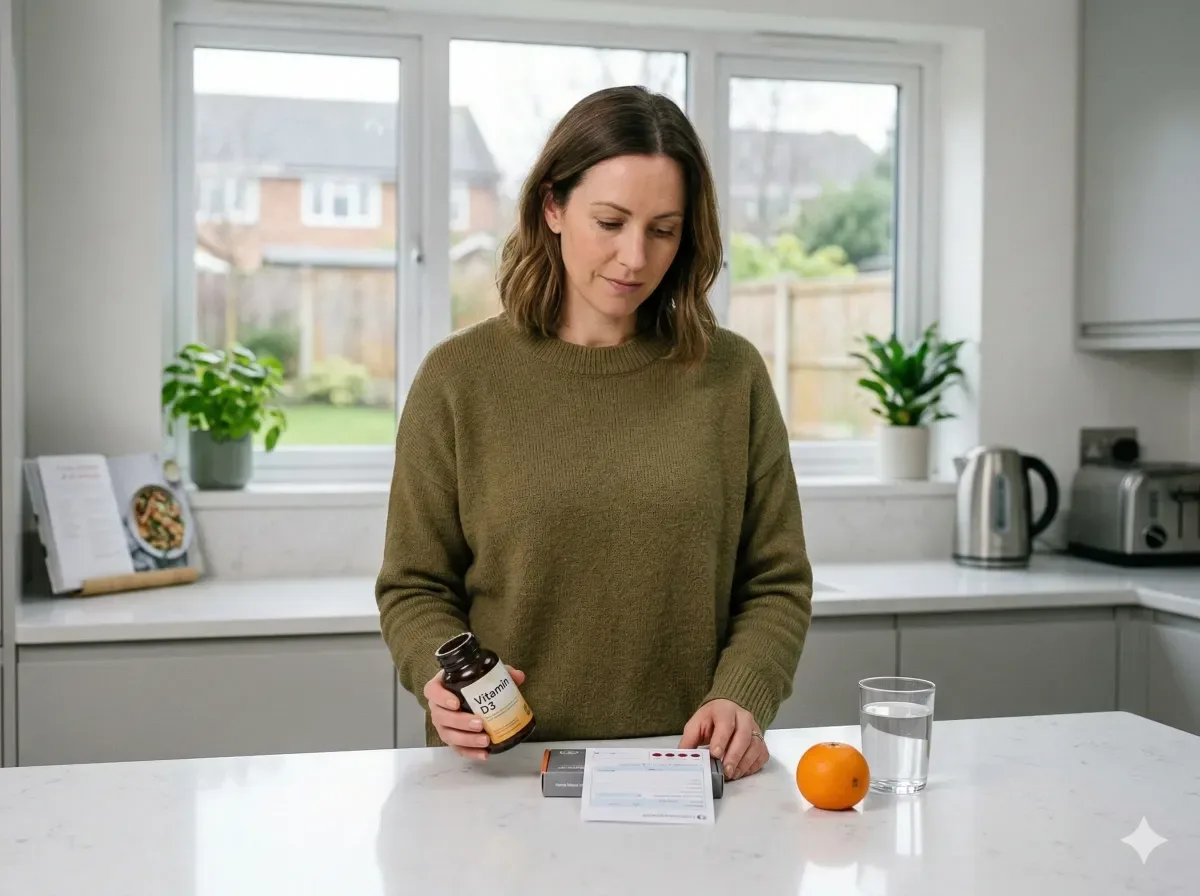
Imagine dragging yourself through another grey British winter, feeling constantly knackered, your bones aching, and every bug going around seeming to find you. You're not alone – this could be vitamin...
The Lifetimes UK editorial team curates, fact-checks, and updates guides on personal finance, property, health, immigration, legal, business, and lifestyle topics relevant to Lifetimes UK readers. Articles are produced with AI assistance and reviewed by the editorial team before publication.
Imagine dragging yourself through another grey British winter, feeling constantly knackered, your bones aching, and every bug going around seeming to find you. You're not alone – this could be vitamin D deficiency at work, a silent crisis affecting over two in five Britons, with some 2026 data suggesting it's even higher at over half the population.
Our northern latitude means precious little sunlight from October to March, leaving most of us short on this essential nutrient that powers our bones, immune system, and mood. Whether you're an office worker glued to a screen, have darker skin, or simply embrace our indoor lifestyle, understanding the symptoms, getting tested via the NHS or privately, and knowing the right supplements can make all the difference. Let's dive into everything you need to know to safeguard your health this year.
Why Vitamin D Deficiency is Such a Big Issue in the UK
The UK’s position far from the equator is the main culprit. UVB rays, crucial for our skin to produce vitamin D, are too weak here for about half the year. Add in our love for staying indoors, long office hours, and frequent cloudy days, and it's no wonder deficiency rates are soaring. Recent ONS and UKHSA data shows over 40% of us are deficient, while 2026 analyses point to more than 50% with insufficient levels.
This isn't just a winter woe – it fuels fatigue, weakens immunity, and hikes risks for serious conditions like osteoporosis, which affects over 3.5 million Brits and costs the NHS £4.4 billion yearly in hip fractures alone. The lifetime cost of untreated deficiency? Potentially £3.5-3.8 million per person in severe cases, from lost productivity to chronic care.
Who's Most at Risk?
- Office and remote workers: Spending 8+ hours indoors slashes sun exposure, even in summer.
- People with darker skin: Higher melanin levels mean less vitamin D production; BAME groups face the highest risks.
- The elderly: Thinner skin produces less vitamin D, and care home residents get minimal sun.
- Pregnant and breastfeeding women: Greater demand for baby's growth.
- Children: A study found 40.3% of kids aged 1-10 deficient, linked to poor growth.
If you're in any of these groups, or just notice persistent low energy, it's worth checking your levels.
Common Symptoms of Vitamin D Deficiency
Symptoms often creep up subtly, mimicking everyday gripes, but they signal your body’s struggling without enough vitamin D. Here's what to watch for:
- Fatigue and low energy: Feeling wiped out despite sleep? Vitamin D powers energy production.
- Bone and muscle pain: Achy joints or back pain from poor calcium absorption, leading to osteomalacia (soft bones).
- Frequent infections: A compromised immune system means more colds and bugs.
- Low mood or depression: Linked to seasonal affective disorder (SAD) in our gloomy winters.
- Hair loss or slow-healing wounds: Deficiency hampers cell regeneration.
- In children: Rickets causes bowed legs and delayed growth.
Don't brush these off – early action via tests and supplements can reverse them quickly.
How to Get Tested for Vitamin D Deficiency in the UK
Spotting deficiency starts with a simple blood test measuring 25-hydroxyvitamin D levels. But routine NHS testing isn't for everyone.
NHS Testing Route
See your GP if symptoms persist or you're high-risk. They'll discuss your concerns and may order a test if you have bone pain, muscle weakness, or related issues. Standard advice: Take a daily 10 microgram (400 IU) supplement from October to March – everyone in the UK should consider it, per government guidance. No symptoms? Testing isn't routine to avoid overwhelming the NHS.
For at-risk groups like pregnant women or infants, check the Healthy Start scheme for free vitamins (though uptake is low due to complexity).
Private Testing Options
For faster results, go private. Home finger-prick kits from providers like Forth With Life cost around £50, with results in 2 days. Or book via services covered by private medical insurance (PMI) for rapid diagnostics. Levels below 30 nmol/L indicate deficiency; 30-50 nmol/L is insufficient.
| Serum Level | Status | Action |
|---|---|---|
| <30 nmol/L | Deficient | High-dose supplement + GP review |
| 30-50 nmol/L | Insufficient | Daily supplement |
| 50+ nmol/L | Sufficient | Maintenance dose in winter |
Vitamin D Supplements: What to Take and How
Supplements are your first line of defence – cheap, safe, and effective. Public Health England (now UKHSA) recommends 10 micrograms daily for all in autumn/winter.
Choosing the Right Supplement
- D3 (cholecalciferol): Best form, from lanolin or lichen (vegan).
- Dosage: 10mcg (400 IU) daily for maintenance; up to 50mcg (2,000 IU) if deficient, but consult your GP.
- Form: Tablets, sprays, or gummies – sprays absorb faster for some.
- Buy from: Pharmacies like Boots or supermarkets; look for NHS-approved seals.
Practical Tips for UK Living
- Start now: Stock up for October-March.
- Combine with safe sun: 10-15 minutes midday exposure (arms/legs/face) in summer, without sunscreen first.
- Eat vitamin D-rich foods: Oily fish (salmon, mackerel), eggs, fortified cereals.
- Monitor if on meds: Statins or steroids can interact – check with your pharmacist.
- Healthy Start: Low-income families get free supplements for kids under 4 and pregnant women.
Avoid mega-doses without tests – toxicity is rare but possible above 100mcg daily long-term.
Preventing Vitamin D Deficiency Long-Term
Beyond supplements, tweak your habits:
- Get outdoors: Lunchtime walks, even on overcast days.
- Fortified foods: Choose vitamin D-added milk, yoghurts, spreads.
- PMI cover: Policies often include nutritional testing for proactive health.
- Annual checks: Especially if high-risk.
Policies for at-risk groups exist but need updating – advocacy from experts calls for better implementation.
Next Steps to Boost Your Vitamin D Today
Don't wait for symptoms to worsen – chat with your GP, grab a 10mcg supplement from your local chemist, and aim for short daily outdoor breaks. If high-risk, book a private test or explore PMI for coverage. Small changes now can prevent big health bills later, keeping you energised through our British seasons. Track your levels annually, eat oily fish weekly, and you'll be set for better bones, mood, and immunity.
Frequently Asked Questions
Sources & References
- 1
-
2
UK 2026 Shock Vitamin D Crisis - WeCovr — wecovr.com
- 3
-
4
Vitamin D supplementation in the United Kingdom: time for change - University of Birmingham — www.birmingham.ac.uk
-
5
A Cross-Sectional Study on the Prevalence of Vitamin D Deficiency... - Healthcare Bulletin — healthcare-bulletin.co.uk
- 6
-
7
2025 Vitamin D Deficiency Statistics of UK Adults - Forth with Life — www.forthwithlife.co.uk
Disclaimer: This article was created with the assistance of AI technology and has been reviewed by our editorial team. It is for informational purposes only and does not constitute legal, tax, or financial advice.