How to Register a Limited Company in the UK: Costs and Steps
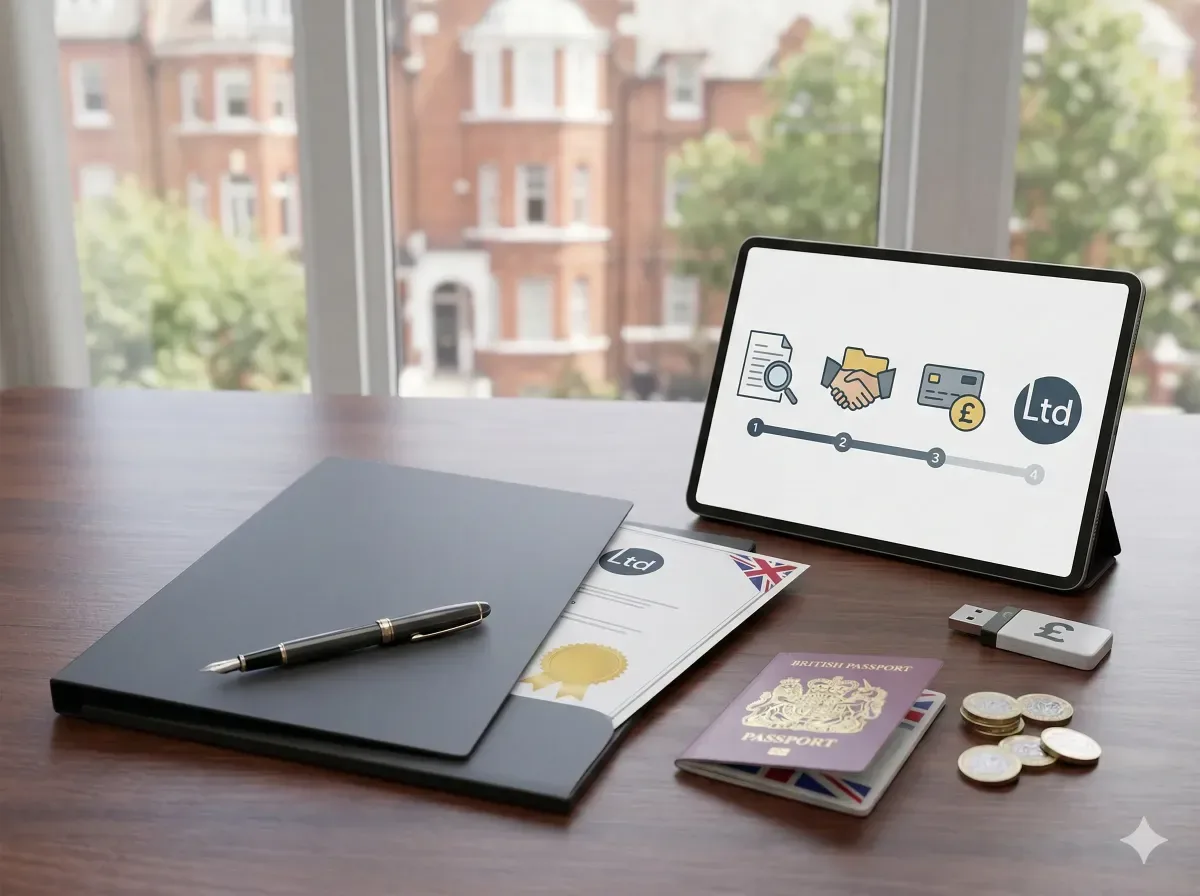
Thinking about turning your business idea into a reality? Registering a limited company in the UK gives you limited liability protection, credibility with clients, and easier access to funding—perfect...
The Lifetimes UK editorial team curates, fact-checks, and updates guides on personal finance, property, health, immigration, legal, business, and lifestyle topics relevant to Lifetimes UK readers. Articles are produced with AI assistance and reviewed by the editorial team before publication.
Thinking about turning your business idea into a reality? Registering a limited company in the UK gives you limited liability protection, credibility with clients, and easier access to funding—perfect if you're a budding entrepreneur in Manchester, London, or anywhere across the country. With Companies House fees doubling to £100 for digital incorporation from 1 February 2026, now's the time to understand the exact steps, costs, and tips to get it right first time.
Why Choose a Limited Company?
Opting for a limited company (often called a Ltd) separates your personal finances from business debts, shielding your home or savings if things go south. It's the go-to structure for most UK startups, from tech firms in Cambridge to cafes in Edinburgh. Benefits include:
- Limited liability: You're only at risk for unpaid shares, not personal assets.
- Tax perks: Corporation Tax at 19-25% (depending on profits), plus dividend allowances.
- Professional image: Ltd status impresses banks, investors, and suppliers.
- Scalability: Easier to raise capital or sell shares.
Over 4 million limited companies operate in the UK today, proving it's a solid choice for growth.
Step-by-Step Guide: How to Register a Limited Company
Registering takes as little as 24 hours online. Here's the straightforward process straight from Companies House guidelines.
Step 1: Choose Your Company Name
Your name must be unique and not offensive. Use the Companies House name availability checker on gov.uk. Avoid sensitive words like "royal" without permission. Add "Ltd" or "Limited" at the end.
- Tip: Include keywords like your location (e.g., "PeakDistrictTech Ltd") for SEO if it's your trading name.
- Same-day service? Book early to avoid queues.
Step 2: Appoint Directors and Shareholders
You need at least one director (over 16, not bankrupt). Shareholders can be the same person. No upper limit, but declare them accurately—identity verification is now mandatory under the Economic Crime and Corporate Transparency Act (ECCTA).
Step 3: Decide on Your Registered Office Address
This is your official UK address for legal mail (not a PO Box). Use your home, office, or a formation agent's service for privacy (£65/year typical).
Step 4: Prepare Your Documents
Key filings:
- Memorandum of Association: Signed agreement to form the company.
- Articles of Association: Rules for running the business (use model articles or customise).
- Form IN01: Details directors, shareholders, shares (e.g., 100 ordinary shares at £1 each), and SIC codes for your industry.
Step 5: Register with Companies House
Go to gov.uk/register-a-company. Pay the fee and upload docs. Digital filing is fastest. From 1 February 2026, expect:
| Incorporation Type | Fee (Before 1 Feb 2026) | Fee (From 1 Feb 2026) |
|---|---|---|
| Digital (Standard) | £50 | £100 |
| Same-Day Digital | £78 | £156 |
| Paper Filing | £71 | £124 |
Approval? You'll get a certificate of incorporation with your company number. You're live!
Step 6: Post-Registration Essentials
Don't stop there:
- Register for Corporation Tax with HMRC within 3 months (online via gov.uk).
- Open a business bank account (free options from Starling or Tide).
- Get a UTR number automatically from HMRC.
- If employing staff, set up PAYE.
- File first confirmation statement within 14 days of incorporation (£50 from Feb 2026).
Full Cost Breakdown: What You'll Pay in 2026
Budget wisely. Here's a realistic first-year breakdown for a basic Ltd:
| Item | Cost | Notes |
|---|---|---|
| Companies House Digital Fee | £100 | From 1 Feb 2026; £156 same-day. |
| Formation Agent Package | £100-£200 total | Includes fee + docs, addresses (e.g., 1st Formations from £2.99 + £100). |
| Business Bank Account | £0-£15/month | Many free for startups. |
| Accounting Software | £0-£20/month | Free tools like FreeAgent trial. |
| Confirmation Statement (Year 1) | £50 | Digital filing. |
| Accountant (Ongoing) | £70-£150/month | For accounts, CT600, VAT. |
| Insurance/Public Liability | £0-£50/month | Depends on trade. |
Total first-year estimate: £300-£1,500, rising with extras like addresses or pro advice. Skip agents? Just £100 to Companies House—but miss out on templates and checks.
DIY vs Formation Agents: Which is Best?
DIY: Cheapest (£100 gov fee), but you're on your own for errors. Risk rejection if docs are off.
Agents (e.g., 1st Formations, Your Company Formations): £100-£200 all-in. Perks include pre-vetted names, custom articles, registered office, and first confirmation filing. Ideal for busy Brits without accounting know-how.
Pro tip: Agents handle ECCTA ID checks, saving headaches.
Common Pitfalls and How to Avoid Them
- Wrong name: Always check live search on Companies House.
- Fee hikes: Register before 1 Feb 2026 to save £50 on incorporation.
- Missing HMRC deadlines: Late Corporation Tax filing = penalties from £100.
- No address privacy: Use an agent service to keep home off public record.
- ID verification: Upload Gov Gateway or credit-checked ID early.
Practical Tips for UK Entrepreneurs
- Start pre-fee hike: Form by end-January 2026.
- Choose SIC codes carefully—impacts grants (find via gov.uk).
- Budget for annual accounts: Due 9 months after year-end to Companies House and HMRC.
- Go digital: 99% faster than paper.
- Seek free advice: British Library Business hubs or Start Up Loans (gov.uk).
Next Steps to Launch Your Ltd Today
Grab your docs, check your name on gov.uk, and file before fees rise. Use a formation agent for peace of mind, open that bank account, and notify HMRC pronto. You're now set for business success—good luck scaling your UK venture!
Frequently Asked Questions
Sources & References
-
1
How Much Does It Cost to Set Up a Limited Company? — 1stformations.co.uk — www.1stformations.co.uk
-
2
Understanding the Companies House Fee Increase Effective 1 February 2026 — yourcompanyformations.co.uk — www.yourcompanyformations.co.uk
- 3
-
4
Why UK Company Formation Fees Are Jumping to £100 in 2026 — launchese.com — blog.launchese.com
-
5
Companies House Incorporation Fee Changes 1 February 2026 — seedformations.co.uk — seedformations.co.uk
-
6
Companies House Fee Increase 2026: What's Changing — companiesmadesimple.com — www.companiesmadesimple.com
-
7
Changes to Companies House fees — changestoukcompanylaw.campaign.gov.uk — changestoukcompanylaw.campaign.gov.uk
Disclaimer: This article was created with the assistance of AI technology and has been reviewed by our editorial team. It is for informational purposes only and does not constitute legal, tax, or financial advice.