Type 2 Diabetes UK: Symptoms, Diet and Reversing with Lifestyle Changes
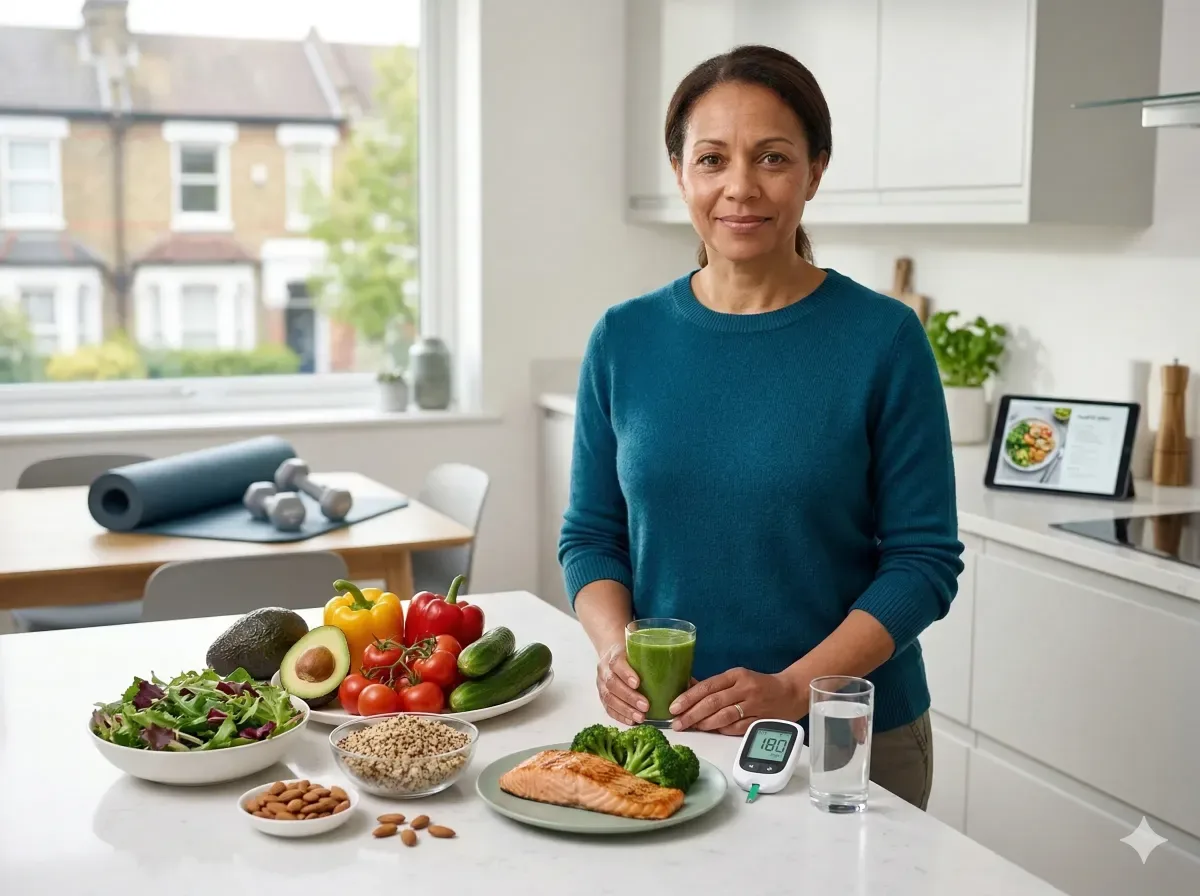
Type 2 diabetes has become a significant health challenge across the UK, with over 4.6 million people diagnosed and millions more unaware they're at risk. The good news? Unlike type 1 diabetes, type 2...
The Lifetimes UK editorial team curates, fact-checks, and updates guides on personal finance, property, health, immigration, legal, business, and lifestyle topics relevant to Lifetimes UK readers. Articles are produced with AI assistance and reviewed by the editorial team before publication.
Type 2 diabetes has become a significant health challenge across the UK, with over 4.6 million people diagnosed and millions more unaware they're at risk. The good news? Unlike type 1 diabetes, type 2 can often be prevented, managed, and even reversed through lifestyle changes and dietary adjustments. This guide explains what you need to know about type 2 diabetes in the UK, how to recognise the symptoms, and the practical steps you can take to improve your health.
Understanding Type 2 Diabetes in the UK
Type 2 diabetes accounts for approximately 90% of all diabetes cases in the UK. It develops when your body either doesn't produce enough insulin or can't use insulin effectively—a condition called insulin resistance. Unlike type 1 diabetes, which is an autoimmune condition, type 2 is largely preventable and manageable through lifestyle interventions.
The scale of the problem is growing rapidly. GP-recorded type 2 diabetes prevalence in adults aged 17 and over in England reached 7.0% in March 2024, up from 6.8% the previous year. More concerning is the rise among younger people: cases of type 2 diabetes in under-40s have increased from 120,000 to almost 168,000 between 2016-17 and 2022-23—an increase of over 47,000.
An estimated 1.3 million people in the UK are living with undiagnosed type 2 diabetes, meaning they're at risk of serious complications without knowing it. When combined with those at risk (prediabetes) and those diagnosed, approximately 12.1 million adults in the UK are living with diabetes or prediabetes.
Recognising the Symptoms of Type 2 Diabetes
Type 2 diabetes often develops gradually, and many people don't notice symptoms initially. However, being aware of the warning signs can help you seek diagnosis and treatment early. Common symptoms include:
- Increased thirst and frequent urination
- Fatigue and tiredness
- Blurred vision
- Slow-healing cuts or wounds
- Tingling or numbness in your hands or feet
- Unexplained weight loss
- Darkened patches of skin (usually in skin folds)
If you experience any of these symptoms, contact your GP for a blood test. Early diagnosis is crucial because type 2 diabetes can lead to serious complications including heart disease, stroke, kidney damage, and vision problems if left untreated.
Risk Factors: Who's Most Vulnerable?
Understanding your risk is the first step towards prevention. You're at higher risk of type 2 diabetes if you:
- Are overweight or obese
- Have a family history of diabetes
- Are over 40 years old (or over 25 if you're of South Asian, African-Caribbean, or Black African descent)
- Have high blood pressure or high cholesterol
- Have been diagnosed with gestational diabetes during pregnancy
- Have polycystic ovary syndrome (PCOS)
The UK has one of the highest obesity rates in Europe, with an estimated two in three adults overweight or obese. The NHS currently spends £6 billion annually treating obesity-related ill-health, a figure forecast to rise to £10 billion by 2050.
The Role of Diet in Managing Type 2 Diabetes
What You Should Eat
A balanced diet is one of the most powerful tools for managing type 2 diabetes. Focus on foods that help regulate blood sugar levels:
- Whole grains: Choose brown rice, wholemeal bread, oats, and quinoa instead of refined carbohydrates
- Lean proteins: Include chicken, fish, eggs, legumes, and low-fat dairy
- Plenty of vegetables: Aim for non-starchy vegetables like broccoli, spinach, peppers, and courgettes
- Healthy fats: Olive oil, avocados, nuts, and fatty fish (salmon, mackerel)
- Limit sugar: Reduce sugary drinks, sweets, and processed foods
What to Avoid or Limit
- Sugary drinks and fruit juices
- Refined carbohydrates (white bread, pastries, biscuits)
- Processed foods high in salt and sugar
- Full-fat dairy products
- Alcohol in excess
Portion control matters too. Even healthy foods can affect blood sugar if consumed in large quantities. Your GP or a registered dietitian can provide personalised advice tailored to your needs.
Reversing Type 2 Diabetes Through Lifestyle Changes
One of the most encouraging aspects of type 2 diabetes is that it can be reversed or put into remission through sustained lifestyle changes. Research shows that significant weight loss—typically around 10-15 kg—combined with regular physical activity can restore normal blood sugar levels in many people.
Weight Loss and Blood Sugar Control
Losing weight reduces insulin resistance, allowing your body to use insulin more effectively. Even a 5-10% reduction in body weight can make a measurable difference to blood sugar levels. The NHS has invested significantly in weight management support, including the NHS Diabetes Prevention Programme, which offers a nine-month programme providing personalised support, practical tools, and advice on healthy eating and lifestyle.
Additionally, the NHS announced plans to roll out a low-calorie treatment programme for type 2 diabetes nationally, following a successful pilot scheme in 2018. If you're eligible, your GP can refer you to this programme.
Physical Activity and Exercise
Regular physical activity is essential for managing type 2 diabetes. Aim for at least 150 minutes of moderate-intensity aerobic activity per week, such as brisk walking, cycling, or swimming. Include muscle-strengthening activities at least twice a week—resistance training, weight lifting, or bodyweight exercises.
Exercise helps by:
- Improving insulin sensitivity
- Lowering blood sugar levels
- Helping with weight management
- Reducing blood pressure and cholesterol
- Improving overall cardiovascular health
Start gradually if you're not currently active, and always consult your GP before beginning a new exercise programme, especially if you're already taking diabetes medication.
Other Lifestyle Factors
- Sleep: Aim for 7-9 hours per night. Poor sleep increases insulin resistance and cravings for unhealthy foods
- Stress management: Chronic stress raises blood sugar levels. Try meditation, yoga, or other relaxation techniques
- Quit smoking: Smoking increases your risk of diabetes complications
- Limit alcohol: Alcohol can affect blood sugar control and contribute to weight gain
Frequently Asked Questions
Sources & References
-
1
[5] — www.diabetes.org.uk
- 2
- 3
-
4
How many people in the UK have diabetes? — Diabetes UK — www.diabetes.org.uk
- 5
-
6
Number of patients at risk of type 2 diabetes increases by half a million in one year — Pharmaceutical Journal — pharmaceutical-journal.com
Disclaimer: This article was created with the assistance of AI technology and has been reviewed by our editorial team. It is for informational purposes only and does not constitute legal, tax, or financial advice.