Gap Insurance UK: Is It Worth Buying for Your New Car?
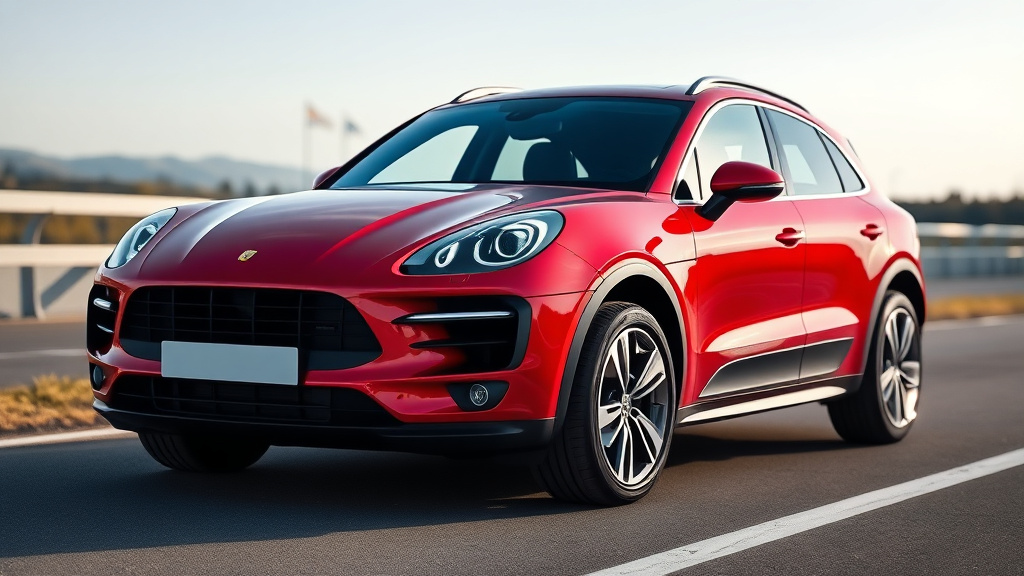
Imagine splurging on your dream new car – perhaps a sleek electric Ford Puma or a spacious Kia Sportage – only to have it written off in a freak accident or stolen just weeks later. Your standard car...
The Lifetimes UK editorial team curates, fact-checks, and updates guides on personal finance, property, health, immigration, legal, business, and lifestyle topics relevant to Lifetimes UK readers. Articles are produced with AI assistance and reviewed by the editorial team before publication.
Imagine splurging on your dream new car – perhaps a sleek electric Ford Puma or a spacious Kia Sportage – only to have it written off in a freak accident or stolen just weeks later. Your standard car insurance pays out the depreciated market value, leaving you thousands out of pocket and still tied to finance repayments. That's where Gap Insurance UK steps in, potentially saving you from financial heartache.
This optional cover, known as Guaranteed Asset Protection, bridges the 'gap' between what your insurer pays and what you originally paid or still owe. But with premiums starting around £200-£500 for a new car, is it truly worth buying for your new motor in 2026? We'll break it down with real UK examples, costs, pros, cons, and practical advice to help you decide.
What is Gap Insurance and How Does It Work?
Gap insurance protects against the rapid depreciation of new cars. Standard comprehensive car insurance pays the current market value (often called actual cash value or ACV) if your vehicle is declared a total loss – stolen and not recovered, or written off after an accident, fire, or flood. New cars can lose 20-30% of their value in the first year, creating a shortfall.
For instance, you buy a £25,000 Volkswagen Golf on finance in 2026. After six months and 5,000 miles, it's worth £20,000. If written off, your insurer pays £20,000, but you still owe £23,000 on the loan – a £3,000 gap. Gap insurance covers that difference, getting you back on the road without dipping into savings.
The Main Types of Gap Insurance Available in the UK
Not all policies are the same. Here's a rundown of the key types:
- Return to Invoice Gap: Pays the difference between the insurer's payout and the original purchase price (including VAT and extras). Ideal for cash or outright purchases.
- Vehicle Replacement Gap: Covers up to the cost of a brand-new like-for-like replacement, even if prices have risen. Great if car costs inflate due to supply issues.
- Finance and Lease Gap (Contract Hire Gap): Settles the outstanding finance or lease balance, including early termination fees (but not arrears or excess mileage charges). Essential for PCP or leasing deals common in the UK.
- Return to Value Gap: Similar to return to invoice but based on the vehicle's value at first registration – useful for nearly new or ex-demo cars.
Many policies also offer extras like hire car cover for 28 days while claims process, or reimbursement of your comprehensive policy's excess up to £250.
Why New Cars Depreciate So Quickly – And Why It Matters
New cars hit the ground running on depreciation. Luxury models like BMWs or EVs can drop 40% in year one due to tech advances and market saturation. In 2026, with rising electric vehicle adoption and potential chip shortages easing, expect similar trends.
UK drivers financing via PCP (Personal Contract Purchase) – over 80% of new cars – face extra risk. You're locked into balloon payments, and a write-off leaves you liable for the full settlement figure. Gap insurance ensures you're not paying for a car you no longer drive.
Real UK Example: The Depreciation Trap
If you spend £30,000 on a new car financed over five years, and it's written off after 12 months at £24,000 market value with £27,500 outstanding, Gap covers the £3,500 gap – minus any policy excess.
Who Needs Gap Insurance in the UK?
It's not for everyone, but consider it if:
- You've bought a new or nearly new car (under 12 months old, less than 15,000 miles).
- You're financing with a small deposit (under 20%) or long-term loan (over 48 months).
- On a lease or contract hire with mileage limits.
- Driving a high-depreciation vehicle like a luxury saloon, SUV, or EV.
- High annual mileage (over 10,000 miles), accelerating value loss.
Skip it if you've paid cash with a big deposit, own an older car, or have comprehensive cover with new-for-old replacement (rare from standard policies).
Gap Insurance Costs in 2026: What to Expect
Premiums range from £150 for basic cover on a £15,000 car to £600+ for comprehensive policies on £40,000+ vehicles. Dealers often charge £300-£1,000 – up to 5x more than independent providers. Shop around via comparison sites or brokers for deals under £300.
Policies last 2-5 years, often transferable if you change cars (pro-rata refunds if no claims). You must have fully comprehensive motor insurance, be over 18 with a full UK licence, and the car typically under £100,000 value.
| Type of Cover | Avg Cost (3-yr Policy) | Best For |
|---|---|---|
| Return to Invoice | £200-£400 | Cash buyers |
| Vehicle Replacement | £250-£500 | New car fans |
| Finance/Lease | £300-£600 | PCP/HP users |
Pros and Cons of Gap Insurance UK
The Advantages
- Financial peace of mind – covers typical £2,000-£10,000 shortfalls.
- Works alongside standard insurance, claimable regardless of fault.
- Extras like hire cars reduce downtime stress.
- Regulated by the FCA for fair treatment.
The Drawbacks
- Not mandatory – many go without and manage.
- Excludes non-total losses, fraud, or unsecured loans.
- Dealer mark-ups inflate costs; buy independently.
- Vehicle age/mileage limits apply post-purchase.
How to Buy Gap Insurance in the UK – Top Tips for 2026
- Compare providers: Use sites like Which? or MoneySuperMarket for quotes. Avoid dealer add-ons at purchase.
- Check eligibility: Ensure comprehensive motor cover; read policy wording for exclusions.
- Buy early: Must be purchased within 30-90 days of car registration.
- Look for FCA regulation: Protects your rights under UK law.
- Bundle smartly: Some insurers offer it cheaper with multi-car policies.
For UK-specific advice, consult the Financial Conduct Authority (FCA) guidelines on insurance add-ons.
Final Thoughts: Making the Right Choice for Your New Car
Gap Insurance UK shines for financed new cars prone to swift depreciation, potentially saving thousands in a worst-case scenario. Weigh your deposit size, finance terms, and risk tolerance – if the premium is under 2% of your car's value, it's often a smart buy.
Next steps: Get quotes from three providers today, review your finance agreement, and ensure comprehensive cover. Drive confidently knowing you're protected. For personalised advice, speak to a broker or visit gov.uk for insurance guidance.
Frequently Asked Questions
Sources & References
-
1
Gap insurance explained - Which? — www.which.co.uk
-
2
Beginner's Guide to GAP Insurance UK - Total Loss Gap — totallossgap.co.uk
-
3
Do I Need GAP Insurance? - Compare the Market — www.comparethemarket.com
-
4
Is Gap Insurance Worth it in 2026? - Atlas Insurance Brokers — www.aibme.com
-
5
GAP Insurance Explained - Cornmarket Insurance — www.cornmarketinsurance.co.uk
-
6
Under the bonnet: Gap Insurance - Lockton — global.lockton.com
-
7
GAP Insurance in 2026: Costs, Coverage, and Who Really Needs It - The Score Machine — thescoremachine.com
-
8
FCA seeks views on how to help close the protection gap - FCA — www.fca.org.uk
Disclaimer: This article was created with the assistance of AI technology and has been reviewed by our editorial team. It is for informational purposes only and does not constitute legal, tax, or financial advice.