Hay Fever Season UK 2026: Best Treatments and When It Peaks
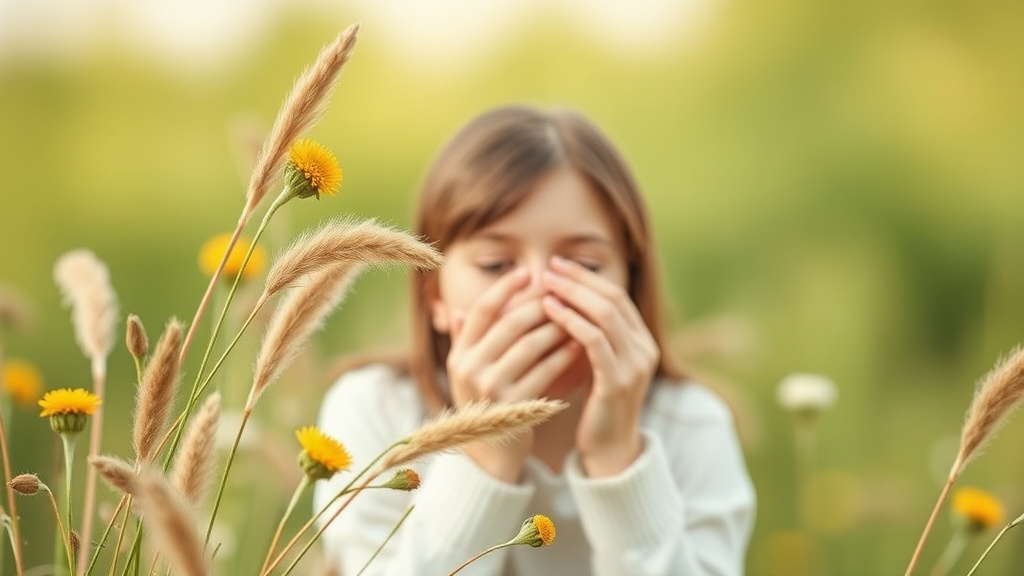
As the first hints of spring tease us with warmer days, millions of Brits are already bracing for the telltale sneezes, itchy eyes, and runny noses of hay fever. In 2026, an unusually mild winter has...
The Lifetimes UK editorial team curates, fact-checks, and updates guides on personal finance, property, health, immigration, legal, business, and lifestyle topics relevant to Lifetimes UK readers. Articles are produced with AI assistance and reviewed by the editorial team before publication.
As the first hints of spring tease us with warmer days, millions of Brits are already bracing for the telltale sneezes, itchy eyes, and runny noses of hay fever. In 2026, an unusually mild winter has sparked an earlier-than-usual start to pollen season, potentially making this one of the most challenging years yet for the 18 million hay fever sufferers across the UK. Whether you're in London, Manchester, or the Scottish Highlands, understanding when hay fever peaks and the best treatments available can make all the difference in enjoying the great outdoors.
When Does Hay Fever Season Start and Peak in the UK in 2026?
Hay fever season in the UK doesn't hit all at once—it's a wave of different pollens rolling through from late winter to autumn, influenced heavily by our unpredictable weather. In 2026, experts warn of an early kick-off due to the mild 2025-26 winter, with tree pollens surging ahead of schedule.
Tree Pollen: The Early Warning (Late January to May)
The season often begins with tree pollens as early as late January or mid-February if conditions are mild and dry, though late March is more typical. Alder and hazel lead the charge in February, followed by birch, ash, oak, and plane in March and April. This year, warm spells pushing temperatures to 18°C in southeast England have already spiked alder levels 'very high' in London and 'high' elsewhere like Birmingham and Manchester.
Tree pollen affects about a quarter of hay fever sufferers and runs until mid-May. Birch pollen, a major trigger, can vary by two to three weeks based on March warmth, starting earlier in the south and waving northwards. Keep an eye on the Met Office pollen forecast, which officially launches late March but monitors early spikes.
Grass Pollen: The Big Peak (May to July)
Grass pollen is the real beast, triggering symptoms in nearly 95% of UK hay fever cases. It ramps up from mid-May, peaks intensely in June and early July, and tapers into a smaller surge at July's start. Expect very high counts if April and May bring warm, wet weather fostering lush grass growth—then sunshine releases it en masse.
In northern England and Scotland, the season compresses into fewer, fiercer weeks, lagging the south by about two weeks. Rain, our frequent saviour, washes pollen from the air, offering relief on wetter western sides.
Weed Pollen: The Late Summer Linger (June to September)
Weed pollens like nettle, mugwort, and plantain join from April but peak June to September. Overall, hay fever can drag from March to September, extended by climate-driven mild winters. In 2026, prepare for a longer season as pollen calendars shift earlier.
Best Hay Fever Treatments for 2026: What Works for Brits
With NHS waiting lists long for specialists, most of us rely on over-the-counter remedies and smart habits. Here's what's proven effective, tailored for UK availability.
Over-the-Counter Antihistamines and Tablets
Non-drowsy antihistamines like cetirizine, loratadine, or fexofenadine are first-line defences—grab them from Boots, Superdrug, or your local chemist. Start early at the first sniffle; Dr Adrian Morris recommends stocking up now for bumper seasons. For severe cases, combine with nasal sprays like steroid-based beclometasone (available via pharmacy without prescription for adults).
Nasal Sprays, Eye Drops, and Decongestants
Saltwater nasal rinses (neti pots) flush pollen daily, while antihistamine sprays like olopatadine tackle itchy noses. Eye drops with sodium cromoglicate soothe red eyes—keep them chilled for extra relief. Avoid overuse of decongestant sprays to prevent rebound congestion.
Prescription Options via NHS or Private
If OTC fails, GP-prescribed leukotriene antagonists or immunotherapy (desensitisation jabs) via NHS allergy clinics can rebuild tolerance over years. For urgent relief, private clinics like Surrey Allergy Clinic offer quick assessments. Check NHS.uk for local services or Allergy UK for referrals.
Practical Tips to Survive Hay Fever Season in the UK
Beyond meds, lifestyle tweaks slash exposure—vital when pollen counts hit 'very high'.
- Monitor forecasts daily: Use Met Office (metoffice.gov.uk/pollen-forecast) or Kleenex pollen tracker for your postcode.
- Time your day: Stay indoors 11am-3pm on high pollen days; pollen peaks midday.
- Protect at home: Keep windows shut, use pollen filters on vents, shower post-outdoors to rinse pollen from hair and skin.
- Outdoors armour: Wraparound sunglasses, wide-brim hats, and even masks reduce intake—Allergy UK endorses this.
- Clothes and car: Machine dry laundry indoors; use HEPA filters in cars. Pollen sticks to fabrics!
- Weather hacks: Rain clears air—plan walks post-shower. Wind spreads pollen, so hunker down on breezy days.
Regional Differences Across the UK in 2026
Pollen doesn't treat the nations equally. Southern England sees earliest tree pollen, with London often 'very high'. Scotland's grass season is shorter but punchier; northerners, check Manchester-area rain for relief. Wales and west coasts benefit from Atlantic washes, but drier easts suffer more. Use regional Met Office data for precision.
Next Steps: Get Ahead of Hay Fever in 2026
Don't wait for symptoms—bookmark your pollen forecast today, stock antihistamines, and trial non-med tips now. Consult your GP if symptoms disrupt sleep or work; early immunotherapy could end years of misery. With smart prep, you can reclaim summer. Stay sneeze-free!
Frequently Asked Questions
Sources & References
- 1
-
2
When Does Hay Fever Season Start? | Chemist4U — chemist-4-u.com — www.chemist-4-u.com
-
3
Why hay fever has hit the UK early this year - Netmums — netmums.com — www.netmums.com
-
4
Hay fever season hits early as dry spell brings rise in pollen levels — independent.co.uk — www.the-independent.com
-
5
UK weather: Hay fever alert for millions of Britons — gbnews.com — www.gbnews.com
- 6
- 7
-
8
Pollen calendar - Kleenex — kleenex.co.uk — www.kleenex.co.uk
Disclaimer: This article was created with the assistance of AI technology and has been reviewed by our editorial team. It is for informational purposes only and does not constitute legal, tax, or financial advice.